


 Cairo
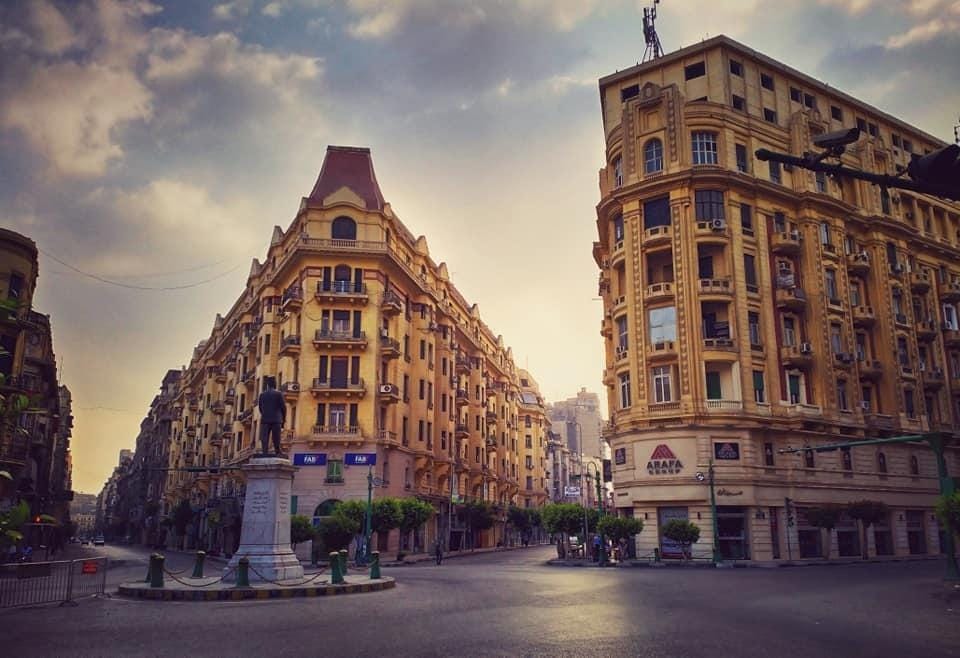
CairoKnown by Egyptians as “Wust al-Balad,” Downtown captures the true essence of modern Cairo. Don’t be fooled by the 19th century European-styled facades and arcades; Cairo’s Downtown is truly Egyptian. Considered the heart and soul of the city, Egyptians and foreigners alike gather to walk the streets, do a bit of shopping, eat, and socialize.

Downtown Cairo
The streets of Downtown Cairo are a living architectural museum displaying Egypt’s layered modern history. Beautiful neoclassical buildings line the streets, embellished with oriental detail presenting a visual cityscape of fascinating history.
Originally built as the residential area for Egypt’s ruling class and foreign communities, Downtown eventually transformed into the district for glamorous department stores and a buzzing entertainment center with theaters, cabarets, and, eventually, cinemas.
Explore on Foot
A walking tour of Downtown is the best way to appreciate all the visual wonders of this district. Delightful, picturesque pedestrian passages and dozens of streets are packed with bustling shops, old-school bars, eateries, coffee shops, and trendy nightlife venues.
In the morning on a weekend (that’s Friday or Saturday in Egypt), enjoy relatively empty streets and grab a coffee with breakfast at one of the many specialty eateries. If you are craving traditional Egyptian tea, Turkish coffee, or cold hibiscus, there are dozens of charming open-air coffee shops crammed into passageways and on boulevards throughout Downtown. Private, licensed tour operators offer excellent paid and free walking tours of Downtown, and you can even find highly-rated food tours of the neighborhood.
Iconic Downtown Landmarks
Here are just a few of the famous places you won’t want to miss on your visit to Downtown. From museums brimming with artifacts to legendary squares and bridges, make sure to snap a few Instagram-worthy photos to mark the occasion!
Insider Tip
A short drive from Downtown Cairo lies the Manial Palace, built by Prince Muhammad Ali Tewfik, the uncle of King Farouk, between 1899 and 1929. The palace and estate are now a public art and history museum with historical gardens full of rare species of flora. The building harmonizes several architectural styles, integrating European Art Nouveau and Rococo with many traditional Islamic architecture motifs, including Ottoman, Arab Andalusian, and Persian motifs.

City Breaks
Take a break from a busy sightseeing schedule and visit one of Cairo’s contemporary residential neighborhoods to live like a local for a day. Each of these neighborhoods has restaurants, coffee shops, bakeries, spas, and boutique shopping off the beaten path. Explore the unique charm and unmistakable identity of Zamalek, Maadi, and Heliopolis.

Zamalek
This leafy Nile Island district is connected to Downtown Cairo and Giza by several bridges, and it was originally a private royal estate, once full of thousands of exotic plants and lush vegetation. Zamalek slowly evolved into the neighborhood of choice for pashas and foreign dignitaries and continued to be a favorite of Cairo’s elites, artists, and celebrities like the Diva of the East herself, Umm Kalthum.
Home to some of Cairo’s hippest restaurants, cafes, and bookstores, Zamalek is a popular and bustling neighborhood perfect for a weekend brunch, followed by a long walk exploring its many art galleries. Stop for a coffee at a modern or traditional open-air coffee shop on 26th of July or Brazil Streets or plan a day of shopping at high-end boutiques and specialty stores, including luxury Egyptian fashion and jewelry brands. Take a sunset promenade among centuries-old trees down the quieter Montaza Street for panoramic views of the Nile. Enjoy lunch or dinner at any of the fine-dining establishments located on permanently docked steamboats along the banks of the Nile on Abou al-Feda or Saray al-Gezira Streets.
Zamalek also houses some of modern Cairo’s most iconic buildings and landmarks, including the cairo opera house and the Cairo Tower. It is also where some of the city’s favorite green oases are located, like the 19th century Aquarium Grotto Garden (known to locals as the Fish Garden). Originally part of Khedive Ismail’s private property, this serene park is now open to the public for a modest fee.

Maadi
This charming, foliage-filled suburb is a haven for those who crave a more peaceful urban experience. Home to several embassies, international schools, and multinational organizations, Maadi has a thriving multicultural community of expats.
The heart of this suburb is Sarayat al-Maadi, which traces its history back to the turn of the 20th century and is full of early-to-mid 20th century villas and quaint low-rise buildings. Maadi’s famous Road 9 is very popular with younger crowds and brimming with endless options for shopping and dining. The adjacent, quieter neighborhood of Degla is greener and easily walkable with many small boutiques, restaurants, nail salons, spas, and bookstores.

Heliopolis
Whether you love history, architecture, or leisurely city walks, Heliopolis, with its belle epoque flair and an unmistakable contemporary and metropolitan flavor, is the neighborhood for you. Walk around and sample local street food or pop into any of the trendy “restobars” on Beirut Street for a meal and drink. Shop in a mall near Almaza or stroll the arcaded boulevards of Al-Korba to check the small, family-owned shops in the neighborhood. In Al-Korba, you will find the perfect example of Heliopolis Style, a distinct architectural style with artistic features mixing Moorish, Islamic, Persian, Art Deco, and European Neoclassical elements.