



 Luxor
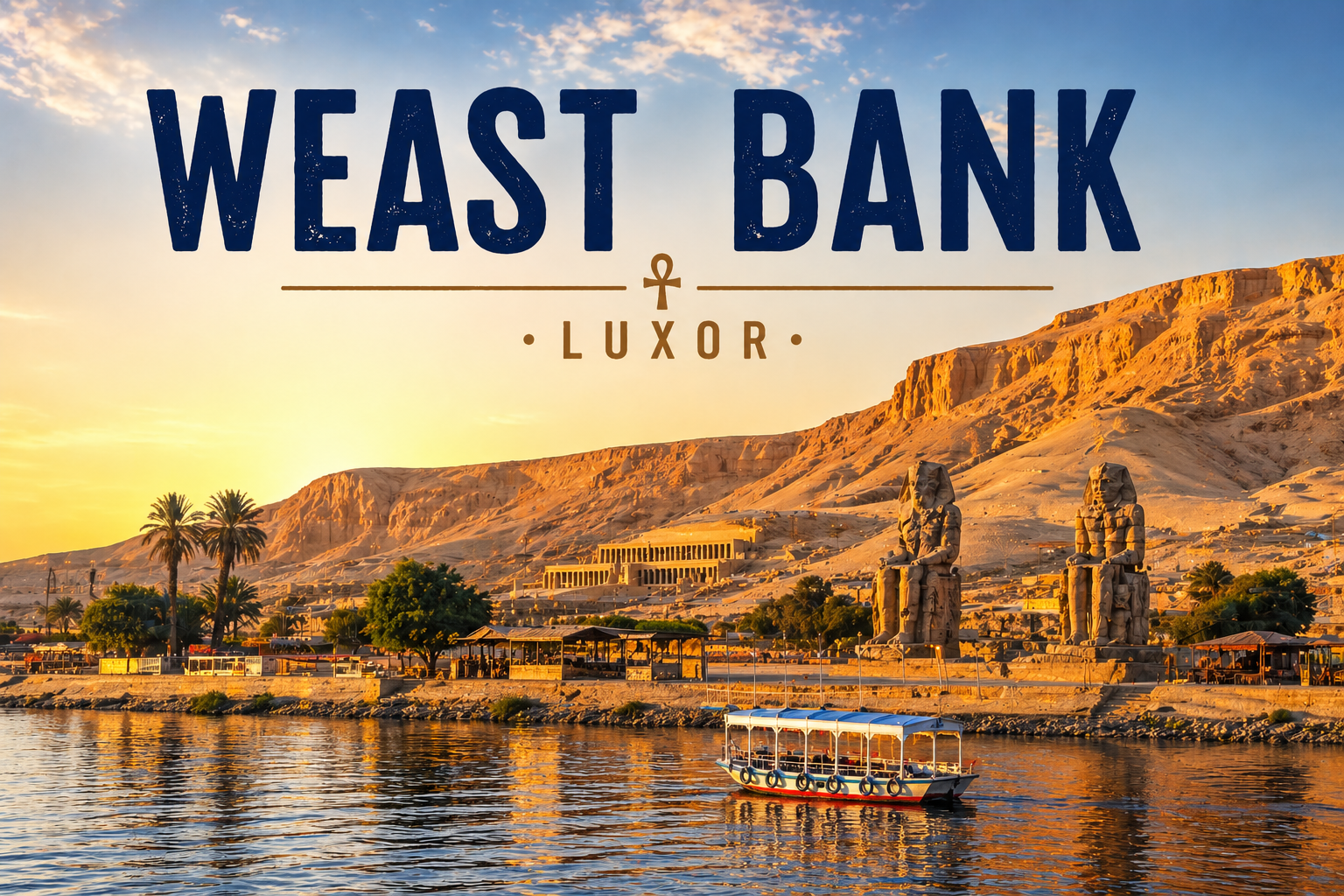
LuxorFerry yourself across the Nile by felucca—a taxi, the Luxor way! In only five minutes, you’ll be on the West Bank, the resting place of the Middle and New Kingdoms’ elite. The Valley of the Kings and Valley of the Queens are considered part of the wider area of ancient Thebes, one of seven UNESCO World Heritage Sites located in Egypt.

Temple of Hatshepsut
The Temple of Deir al-Bahari, also known as the Temple of Hatshepsut, was built to honor Egypt’s most famous female pharaoh. The striking contrast of white sandstone against rugged rock and bright blue skies is breathtaking as you climb the steps toward the temple complex. Three terraces are filled with gorgeous reliefs, shrines for several deities, and dozens of statues. Don’t miss the Portico of Divine Birth and the portico illustrating the trading expedition to Punt on the middle terrace, as well as the main sanctuary of Amun-Ra on the third terrace.

Madinet Habu
For art lovers, the Temple of Ramesses III in Madinet Habu is a vibrantly decorated and well-preserved mortuary temple with wall carvings deep enough to hold a fist. The enormous, fortified entry gate and tower still stand at their original height. The great warrior pharaoh Ramesses III successfully defended Egypt against vast armies. Here, you can marvel at his martial prowess, which is showcased in a dizzying array of magnificent and detailed battle reliefs. Fast forward in time and the temple’s second court was later adapted into a church by the Christians who settled there.

Valley of the Queens & Valley of the Nobles
These two stops are underrated treasures, especially for art enthusiasts. The Tomb of Queen Nefertari in the Valley of the Queens houses incredibly well-preserved colorful reliefs on its walls. Similarly, the 400 tombs of various elites and dignitaries showcase colorful and descriptive scenes from everyday life in ancient Egypt.

Valley of the Kings
The saying goes “live like a king,” but in ancient Egypt, to be buried like a king was the dream of all! The Valley of the Kings, which is located in an isolated, dried-up riverbank, has over sixty tombs, including a VIP list of ancient Egypt’s most powerful figures. You may ask why royalty ceased the practice of being buried in impressive pyramids, and the answer is tomb looting! Very visible pyramids made it all too easy for robbers to loot the treasures of the kings and queens, so to prevent this from happening, Egypt’s kings chose to be buried in well-hidden, secret rock-cut tombs in the Valley of the Kings to keep their treasures safe.
Be prepared to hike the steep rocky valley before you can witness scenes from the ancient Egyptians’ voyage through the afterlife play out on the tomb walls. Entry to three tombs is included with your entrance ticket, and you can purchase additional tomb passes if you wish, but bear in mind that tombs are open for visitors on a rotational basis to preserve the integrity of the wall paintings.

Discover Luxor The World’s - Elsahaby Tours
April 28, 2026 - 3:20 pm[…] East Bank […]